
Quick Summary
Urgent venting hazards like creosote fires, severe smoke rollbacks, and carbon monoxide leaks require immediate safety precautions to prevent devastating home damage. Once active hazards are controlled, homeowners should rely on Premier Chimney Cleaning Greater Rochester for rapid professional inspections and safe resolution of dangerous flue obstructions. Readers will understand how to respond during a heating crisis and know how to contact the premier chimney cleaning emergency service line for immediate technician dispatch and free estimates.
Emergency Chimney Safety: What to Do and When to Call for Help
A chimney emergency requires fast action and a calm, methodical response. If you see active flames or sparks shooting from your flue, smell thick acrid smoke pouring into your living room, or hear your carbon monoxide alarms sounding, get everyone outside immediately and call 911. Once the fire department clears the scene, or if you are dealing with a sudden draft failure that has filled your house with smoke, you need a professional inspection from Premier Chimney Cleaning Greater Rochester before lighting another fire.
Quick Action Guide for Chimney Emergencies
If you suspect an active chimney fire or carbon monoxide leak: Evacuate your family and pets immediately, stay outside, and call 911. Do not attempt to climb onto an icy roof or pour water down the flue, which can instantly crack the masonry. Once the immediate hazard is under control, contact a certified chimney technician like Premier Chimney Cleaning Greater Rochester for an emergency inspection before using your fireplace, wood stove, or furnace flue again. See also Emergency Chimney Cleaning Services in Rochester – 10% Off & Free Estimate – On-Site in 60 Minutes.
According to the National Fire Protection Association (NFPA), approximately 46% of home heating-equipment fires occurred from December through February from 2020-2024. NFPA advises inspecting and cleaning chimneys and heating systems annually before seasonal use.[1]
What Structural Signs and Failures Create an Immediate Chimney Emergency?
Chimney crises usually stem from three distinct failures: ignition of combustible deposits, physical blockage of the exhaust pathway, or structural breakdown of the venting liner.
“The most common pitfall of this type of home heating is its by-product, creosote. Creosote, a tarry by-product of burning wood, can coat the inside of the chimney flue over time. The resulting build-up can ignite, which is the reason for most chimney fires. Chimney fires can quickly become structure fires if not caught in time.”[2]
Flue Liner Cracking and Creosote Ignition
Creosote ignitions can produce a deep roar or low rumble inside the walls, often accompanied by dense smoke. Intense heat during a fire can crack liners and allow heat and burning embers to contact wooden house framing behind the brickwork.
Seized Dampers and Smoke Rollbacks
When a throat damper rusts shut, warps, or drops off its track mid-burn, exhaust has nowhere to go but back into your home. Smoke rollbacks can also happen when negative indoor air pressure or sudden blockages overpower the chimney’s natural updraft, forcing hazardous carbon monoxide and fine soot particulates into your living areas.
Blockages and Obstructions
Heavy snow, ice accumulation over uncapped flues, or freeze-thaw masonry damage can close off a flue opening. In addition, as noted by Premier Chimney Cleaning Greater Rochester, animals and birds can build nests in chimney tops, creating an immediate fire and venting hazard when a fire is lit.
Winter Heating Fire Risks and Preventative Standards
Need premier chimney cleaning emergency service?
We’re available now — call for a fast, free estimate.
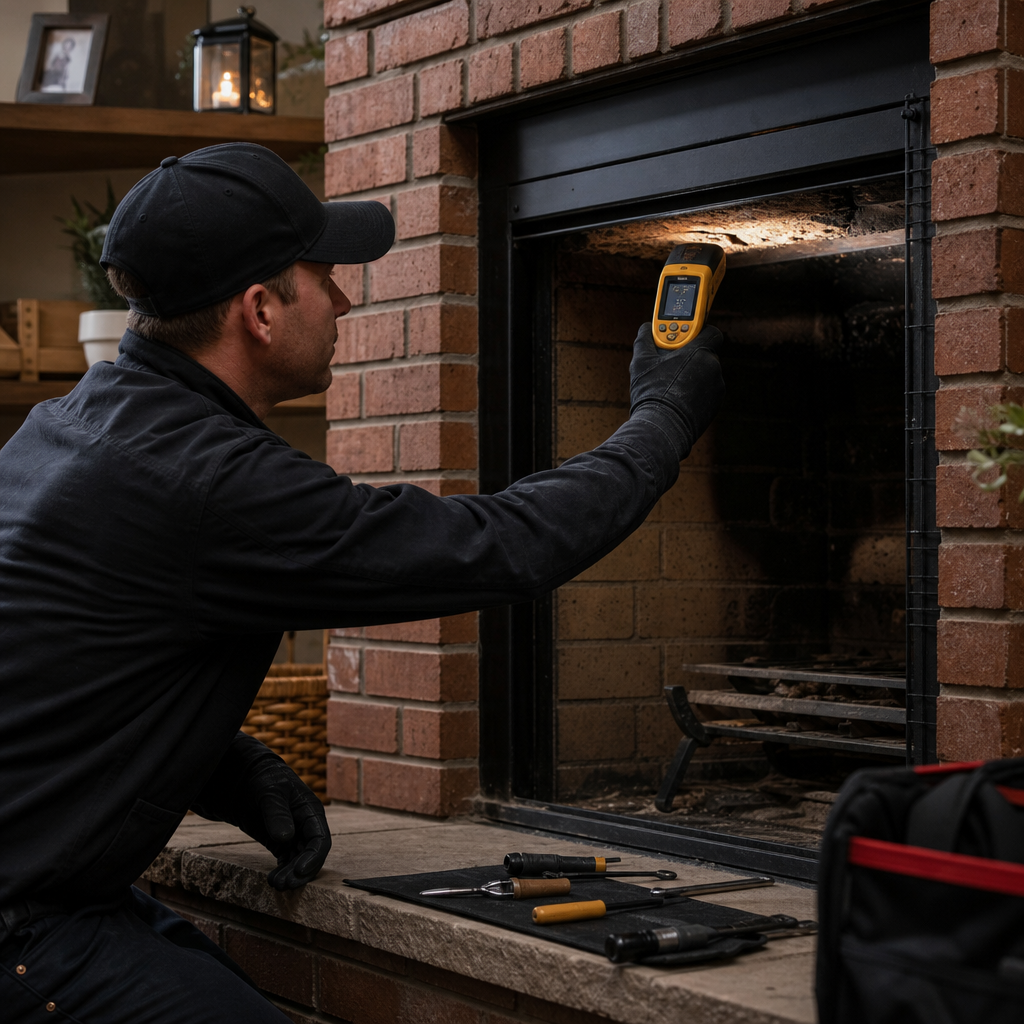
NFPA advises inspecting and cleaning chimneys and heating systems annually before seasonal use. Regular maintenance clears out creosote before it bakes into hard, highly flammable glaze.
During peak heating months, high demand for wood stoves and supplemental fireplaces pushes venting systems to their limits. Scheduling routine service ahead of cold weather remains an important defense against draft failures and structural house fires.[3]
Emergency Chimney Service: What to Expect and Cost Factors
Emergency chimney service costs vary based on whether the callout occurs after hours, the height and pitch of the roof, the severity of the obstruction, and whether specialized diagnostic or repair work is required.
Frequently Asked Questions About Emergency Chimney Services
What constitutes an immediate chimney emergency?
An emergency includes an active chimney fire, visible sparks shooting from the top of the stack, dense smoke rolling into your home, carbon monoxide alarms sounding while burning fuel, or structural collapse such as falling brickwork or a disconnected flue pipe.[4]
Is 24/7 emergency chimney service available?
No neutral authoritative source verifies 24/7 service or a specific arrival time. Readers should call 911 first for an active fire, heavy smoke, or suspected carbon monoxide exposure before seeking private service.
What should I do if smoke is filling my house from the fireplace?
If you can do so safely, use a fireplace poker to open the damper fully and close glass doors to contain the smoke. If you are using a wood stove, close the primary air intakes to starve the fire of oxygen. Never throw water directly onto a burning fireplace, as the sudden steam explosion can shatter the firebox. If the smoke is thick or does not clear immediately, get everyone outside and call 911.
How quickly can an emergency chimney sweep arrive on-site?
No neutral authoritative source verifies specific arrival times or same-day dispatch guarantees. Response times vary depending on weather conditions and service demand. Always contact 911 first for active hazards.
How much does emergency chimney cleaning and inspection cost?
According to Premier Chimney Cleaning Greater Rochester, emergency service fees depend on the timing of dispatch, the complexity of the blockage, and the scope of inspection or repair work required. A qualified service provider should provide an upfront estimate before work begins.
Is it safe to use my fireplace after an emergency chimney repair?
The appliance should not be used until a qualified professional such as Premier Chimney Cleaning Greater Rochester or a fire official determines it is safe.
Need premier chimney cleaning emergency service?
We’re available now — call for a fast, free estimate.
Sources
- Heating Safety – Delaware – statefireschool.delaware.gov (2017)
- U.S. home heating fires peak during winter months – nfpa.org (2025)
- Safety with heating equipment – nfpa.org (2024)
- Safe Heating Practices | NFPA – nfpa.org (2024)
Related reading: Best Chimney Cleaning Rochester Ny | 10% Off & Free Estimate | Same-Day Service
Related reading: Chimney Flue Cleaning Cost | Call Now-10% Off | Same-Day Service | Free Estimate
Related reading: Chimney Sweep Cost Rochester Ny | 10% Off & Free Estimate | Same-Day Service
Frequently Asked Questions
What happens during an emergency chimney inspection after a fire or smoke backup?
A technician from Premier Chimney Cleaning Greater Rochester performs a detailed structural and flue assessment to check for cracked liners, hidden creosote deposits, or thermal damage. They clear dangerous obstructions and verify safe draft dynamics before declaring the system safe to burn fuel again.
Can I continue using my fireplace if the damper is stuck open?
While an open damper allows smoke to exit, it leaves your home vulnerable to intense heat loss, weather infiltration, and downdrafts that can suddenly reverse flue gases. Premier Chimney Cleaning Greater Rochester provides emergency repairs to safely unjam or replace damaged damper mechanisms.
How can I request premier chimney cleaning emergency service in the Rochester area?
Homeowners can call Premier Chimney Cleaning Greater Rochester's emergency phone line for immediate technician dispatch or submit a request online for a free estimate. The rapid-response team serves Rochester and neighboring communities to resolve severe chimney blockages, smoke rollbacks, and sudden venting failures.
About the author
 |
Sarah Miller Sarah Miller is a home safety specialist and certified chimney sweep with over 8 years of experience in the residential maintenance sector. Holding a BA in Communications from SUNY Brockport, she combines her technical knowledge of creosote removal and fire prevention with clear, actionable advice for homeowners. Her writing focuses on seasonal chimney care and emergency response protocols for Greater Rochester residents. |
Chimney overdue for a cleaning or inspection?
We’re available now — call for a fast, free estimate.
Call Now - Free Estimate