
Quick Summary
Effective chimney fire prevention is essential for Rochester homeowners to protect their properties from devastating winter hazards caused by highly flammable creosote buildup. Partnering with Premier Chimney Cleaning Greater Rochester, a trusted local specialist with 20-plus years of experience, ensures a mess-free professional sweep that eliminates dangerous blockages and structural vulnerabilities. Homeowners can safeguard their families today by scheduling a professional chimney inspection and cleaning with the team to receive a free detailed written estimate and a 10% discount.
Chimney Fire Prevention – Your Guide to a Safe Rochester Home
Homeowners across Greater Rochester, from Brighton to Greece, know how brutal Western New York winters can get. When the lake-effect snow starts falling, your fireplace or wood stove becomes the heart of your home. But before you light that first fire of the season, chimney fire prevention should be at the top of your fall home maintenance checklist.
There is a common myth that modern fireplace inserts are self-cleaning. In reality, cooler fires and incomplete combustion can increase creosote buildup, making regular maintenance more important than ever to reduce fire risk. Keeping your home safe starts with understanding how your chimney works and scheduling a professional sweep with Premier Chimney Cleaning Greater Rochester before the cold weather sets in.
What is the Fastest Way to Reduce Chimney Fire Risk?
To protect your home, the most effective step you can take is to schedule a professional chimney sweeping and inspection every year. A certified sweep removes highly flammable creosote buildup and catches hidden structural damage before heat can escape into nearby floorboards or woodwork. Regular inspections and creosote prevention are the absolute foundations of keeping your family safe.
The Immediate Solution: Professional Sweep and Inspection
While standard chimney fire safety tips often focus on burning dry wood, professional maintenance is the only way to ensure your flue is clear. Look at the numbers from fire safety agencies worldwide. In Ireland, the Department of Housing (using data from the National Directorate for Fire and Emergency Management) reported that chimneys, flues, hot ashes, and soot were the primary cause of residential fires in 2024. [3]
Similarly, the Welsh Government recorded 230 chimney fires during their 2024-25 reporting period. Even though Wales saw their second-lowest total of fire and rescue incidents on record (10,166 incidents), chimney fires still made up a notable portion of those emergencies. Whether you live in a historic home in East Rochester or a newer build in Webster, the lesson is the same: neglected flues pose a serious threat.[1]
What is Included in a Fire Risk Reduction Service
Preventing fires in your chimney comes down to a thorough, step-by-step assessment. (The following is local marketing content for Rochester, NY homeowners: A reliable local technician from Premier Chimney Cleaning Greater Rochester will perform several key steps during a chimney inspection.)
- Creosote Removal: Scraping away the sticky, highly flammable soot and glaze. This is especially vital because cooler fires and incomplete combustion can accelerate buildup.
- Structural Inspection: Checking the flue liner, cap, and damper to ensure intense heat cannot leak into your home’s wooden frame.
- Draft and Safety Assessment: Making sure the chimney drafts properly so toxic gases do not back up into your living spaces.
What Causes a Chimney Fire and How Do You Spot the Warning Signs?
Chimney fires start when highly flammable creosote inside the flue ignites. Creosote is a natural byproduct of burning wood, but when it is allowed to accumulate, it turns your chimney into a tinderbox. Knowing how to spot the warning signs can mean the difference between a minor scare and losing your home.
The Chemistry of Creosote Buildup
When you burn wood, the combustion process releases gases, water vapor, and unburned wood particles. As these rise up the chimney, they meet the cooler walls of the flue and condense into a dark, tar-like substance called creosote. If your chimney runs cool, these vapors condense much faster. This is why cooler fires and incomplete combustion can speed up creosote buildup, leaving the exhaust gases cooler as they climb the flue.
Immediate Warning Signs of an Active Chimney Fire
An active chimney fire is an immediate, life-threatening emergency. If you experience any of these signs, get everyone outside and call 911:
- A loud, low roaring sound that many homeowners describe as a freight train or a low-flying jet passing over the roof.
- Intense, hot smells radiating through your walls or fireplace surround.
- Dense, dark smoke, hot embers, or visible flames shooting out from the top of the chimney cap.
Data from HETAS in England shows that chimney fire incidents fell by 5.03% in 2024-25 compared to the year before. While this drop shows a declining trend, flue fires remain a constant threat if maintenance is ignored.[2]
Signs of a Past Chimney Fire
Not all chimney fires make a dramatic entrance. Many burn slow and hot inside the flue without the homeowner ever realizing it. However, these hidden fires leave behind severe structural damage that makes your fireplace incredibly dangerous to use. During a professional chimney inspection, a sweep will look for these signs of a chimney fire that occurred in the past:
- Cracked, shattered, or misaligned clay flue tiles.
- Warped metal dampers or buckled stainless steel liners.
- Puffy, bubbly, or honeycombed creosote deposits that expanded under extreme heat.
The Creosote Risk: Why Cooler Fires and Incomplete Combustion Increase Danger
Need chimney fire prevention?
We’re available now — call for a fast, free estimate.
The risk of a chimney fire is closely tied to flue temperatures and combustion efficiency.
The Cooler Flue Gas Problem
Traditional open fireplaces are highly inefficient. They send up to 90% of the fire’s heat straight up the chimney. While this wastes wood, it keeps the chimney flue extremely hot, which prevents condensation. When fires burn cooler or combustion is incomplete, the exhaust gases entering the chimney are much cooler and travel slower. As these slow-moving, cool gases rise, they condense rapidly against the chimney walls, creating a thick layer of creosote in a surprisingly short amount of time.
| Feature | Traditional Open Fireplace | Cooler Fire / Incomplete Combustion |
|---|---|---|
| Flue Gas Temperature | Very high (keeps gases moving fast) | Low (sluggish, slow-moving draft) |
| Creosote Condensation Rate | Moderate (gases usually escape before condensing) | High (gases cool and settle quickly on the liner) |
Does Burning Dry Wood Prevent Chimney Fires?
Burning dry, seasoned wood is a great practice, but it does not completely eliminate the risk of fire. Even perfectly dry wood releases some organic compounds. When paired with the sluggish, cooler drafts of a cooler fire, those compounds will still settle on your flue walls.
According to England’s national fire data, chimney fires made up about 1.4% of all fires in 2024-25, proving that flue fires remain a danger even with cleaner-burning modern standards. Using seasoned firewood is just one part of your chimney maintenance checklist; it must be paired with regular sweeping by Premier Chimney Cleaning Greater Rochester.
Maintaining Your Flue Liner and Chimney Cap
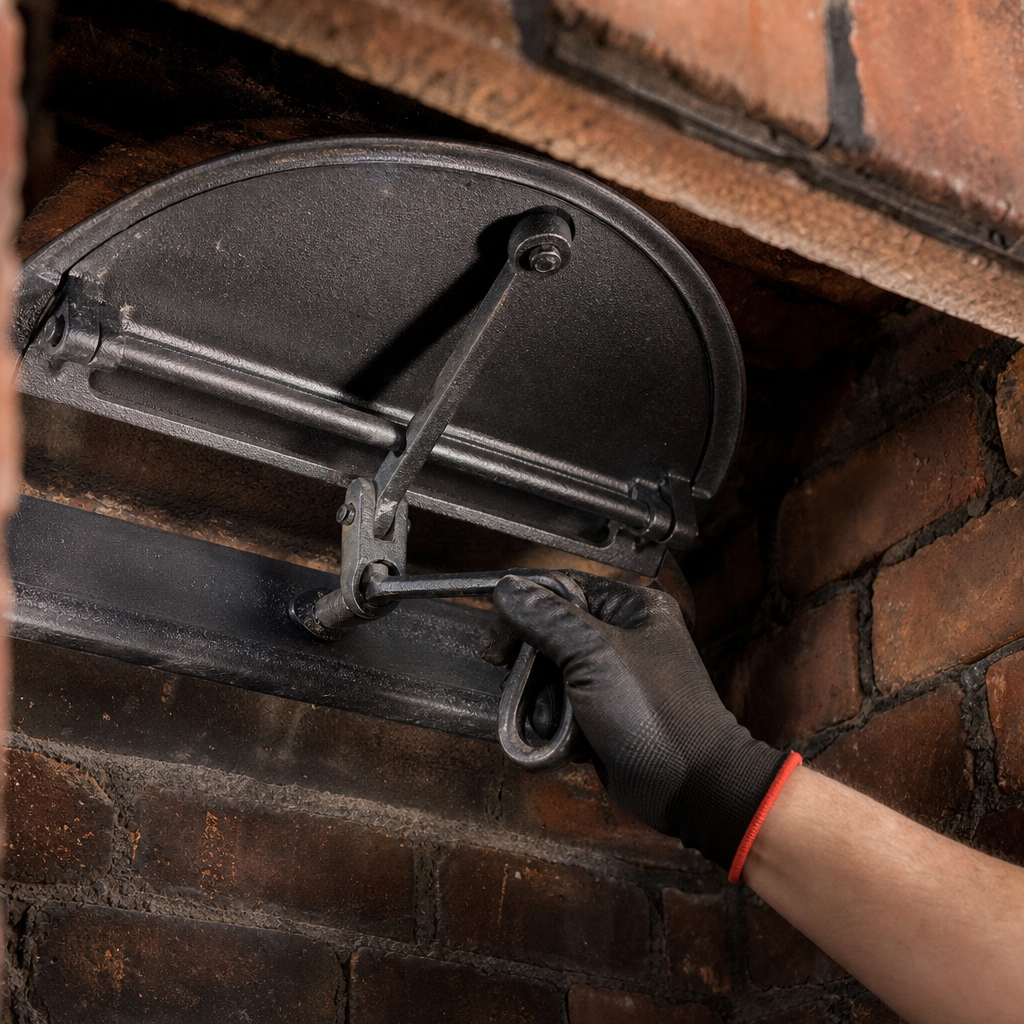
Your chimney liner and cap are your home’s primary defenses against a devastating house fire. Together, they isolate intense heat from your wooden framing and prevent debris from blocking the flue. Regular professional inspections before use ensure these defenses stay strong.
The Flue Liner: Your Chimney’s Shield
A flue liner’s job is to contain the heat and combustion gases, directing them safely outside. If a clay tile liner cracks, intense heat can escape directly into the wooden framing of your attic or walls. Government data analyzed by Fire magazine shows that England recorded 2,019 chimney fires in the year ending March 2025 (a 5.5% drop from the previous year), continuing a downward trend.[4]
The Chimney Cap: Keeping Debris and Wildlife Out
Here in Greater Rochester, wildlife like squirrels, raccoons, and birds love to nest in warm chimneys. A missing or damaged chimney cap allows animals, leaves, and twigs to block your flue. When a draft is blocked, heat builds up rapidly inside the chimney, which can ignite existing creosote deposits or force carbon monoxide back into your home.
When to Repair vs. Replace Flue Components
If an inspection reveals cracked clay tiles, you should not light another fire until it is fixed. Today, many homeowners choose to upgrade to a stainless steel liner. It is a highly durable solution that handles extreme temperatures and improves draft efficiency.
| Liner Material | Clay Tiles | Cast-in-Place Concrete | Stainless Steel |
|---|---|---|---|
| Lifespan | Moderate (can crack under thermal shock) | Long | Lifetime warranty (highly durable) |
| Thermal Resistance | Poor to Fair | Good | Excellent |
| Installation Impact | High (requires breaking out old tiles) | High (heavy labor) | Low (slides directly down the existing flue) |
How the Damper and Firebox Keep You Safe
The firebox (where you build the fire) and the damper (the valve that controls the draft) work together to manage the heat. A damaged firebox allows extreme heat to touch your home’s wooden subframe, while a warped damper restricts air movement, cooling the flue gases and accelerating creosote buildup.
The Role of the Damper in Draft Regulation
A damper must open and close fully. If your damper is rusted or warped, it can restrict the draft. When smoke and gas cannot escape quickly, they linger in the chimney, cool down, and condense into creosote along the liner.
Inspecting the Firebox and Smoke Chamber for Cracks
Firebrick and mortar are tough, but they eventually degrade under intense heat. Cracks in the firebox or the smoke chamber allow heat to reach nearby wood studs. Local fire departments across the globe deal with these issues every year; for instance, the Devon and Somerset Fire and Rescue Service in England responded to 181 chimney fires over the year ending March 2025, many of which stemmed from poorly maintained hearths and flues.[5]
Symptoms of Component Failure
Keep an eye out for these warning signs around your hearth:
- Rust flakes on the floor of your firebox or a damper blade that is hard to move.
- Crumbling mortar or loose firebricks inside the firebox.
- Smoke backing up into your living room instead of rising straight up the chimney.
What Does Chimney Fire Prevention Cost?
Need chimney fire prevention?
We’re available now — call for a fast, free estimate.
The cost of professional chimney maintenance depends on the condition of your flue and how much creosote has accumulated. While some homeowners might hesitate to spend money on routine cleanings, the cost of a chimney sweep service is small compared to the price of rebuilding a fire-damaged home. (Local marketing content: For Rochester, NY residents, investing in annual maintenance protects your family and keeps your property safe.)
Skipping seasonal care is a risky gamble. As noted by the Welsh Government’s annual fire statistics, home chimney fires remain a persistent threat that is easily avoided with routine creosote buildup prevention.
How to Choose a Reliable Chimney Sweep in Rochester
Your chimney is one of the most critical safety systems in your home. You should only trust fully licensed, insured, and certified professionals to work on it. (The following is local marketing content: In Rochester, NY, look for a chimney sweep like Premier Chimney Cleaning Greater Rochester with a strong reputation, local roots, and transparent, upfront pricing.)
The Risks of Uncertified Contractors
Uncertified contractors often lack the specialized equipment and training to spot hidden structural cracks or heavy glaze creosote. Hiring an uncertified technician leaves you vulnerable to missed hazards and potential liability if an accident occurs on your property. Keeping your home safe means choosing a company that values craftsmanship, communication, and leaves your living room spotless after every job.
Frequently Asked Questions About Chimney Fire Prevention
Keeping your home safe from flue fires requires a mix of annual maintenance, burning the right fuel, and knowing what to do in an emergency. Here are answers to the most common questions Rochester homeowners ask about chimney safety.
How often to clean chimney to prevent fires?
You should have your chimney inspected and swept at least once a year, preferably in the late summer or early fall before you start using it. According to fire safety data from Ireland, chimney fires have historically been the leading cause of residential fires, accounting for 34% of all home fires where the cause was known. Annual maintenance with Premier Chimney Cleaning Greater Rochester is the most effective way to eliminate this risk in your own home.
What causes a chimney fire?
A chimney fire is caused by the ignition of creosote buildup inside the flue liner. When unburned wood gases cool and condense on the chimney walls, they form this highly flammable tar. A single hot spark can then ignite the creosote, causing a dangerous flue fire.
How do you prevent creosote buildup in a chimney?
To minimize creosote, wood should be seasoned, dry, and preferably burned hot enough to reduce creosote. Avoid burning softwoods, wet wood, or trash. Additionally, keep your fires burning hot rather than smoldering, and follow a basic chimney maintenance checklist that includes wood stove safety tips and professional cleanings.
What should you do if you experience a chimney fire?
If a chimney fire starts in your home, act immediately:
- Evacuate everyone from the house instantly.
- Call 911 from a safe distance outside.
Need chimney fire prevention?
We’re available now — call for a fast, free estimate.
Sources
- Detailed analysis of fires, England, April 2025 to March 2026 – gov.uk (2026)
- Highest number of chimney fires occur in South West region – bbc.com (2025)
- Chimneys remain a top cause of fire in homes according to … – gov.ie (2024)
- Fire prevention and protection statistics, England, April 2024 to … – gov.uk (2024)
- The Annual Assessment of Fire and Rescue Services in … – assets.publishing.service.gov.uk
Related reading: Chimney Sweep Cost Near Me – Call Now-10% Off – Same-Day Service – Free Estimate
Frequently Asked Questions
How long does a professional chimney cleaning take, and will it leave soot or dust in my living room?
A standard cleaning typically takes 45 to 90 minutes. When you work with Premier Chimney Cleaning Greater Rochester, our experienced technicians utilize specialized dust-containment vacuums and drop cloths to guarantee a completely mess-free service.
Can I use a chemical creosote sweeping log instead of scheduling a professional chimney cleaning?
While chemical logs can help loosen some creosote, they cannot remove heavy glaze, clear animal nests, or inspect for structural damage like cracked flue tiles. To truly protect your home, you should schedule a professional inspection and cleaning with Premier Chimney Cleaning Greater Rochester, taking advantage of our 10% discount and free detailed written estimate.
How do I know if my chimney has suffered a silent, slow-burning chimney fire in the past?
Silent chimney fires often go unnoticed but leave behind warped metal dampers, cracked clay tiles, and puffy, honeycombed creosote. The only reliable way to detect this dangerous structural damage is to have Premier Chimney Cleaning Greater Rochester perform a professional inspection using specialized camera equipment.
About the author
 |
Sarah Miller Sarah Miller is a home safety specialist and certified chimney sweep with over 8 years of experience in the residential maintenance sector. Holding a BA in Communications from SUNY Brockport, she combines her technical knowledge of creosote removal and fire prevention with clear, actionable advice for homeowners. Her writing focuses on seasonal chimney care and emergency response protocols for Greater Rochester residents. |
Chimney overdue for a cleaning or inspection?
We’re available now — call for a fast, free estimate.
Call Now - Free Estimate