
Quick Summary
Creosote accumulation presents a severe fire hazard in fireplace flues, making dedicated premier chimney cleaning creosote removal essential for safeguarding Rochester households throughout the winter. Premier Chimney Cleaning Greater Rochester provides expert flue inspections, dust containment, and specialized sweeping methods to safely eliminate hazardous soot, tar, and glaze buildup. Readers will learn how to prepare their homes for thorough chimney service and can contact Premier Chimney Cleaning directly to request a free detailed written estimate or schedule a same-day inspection.
Premier Chimney Cleaning Creosote Removal – Rochester Service
Creosote is a tar-like residue that can ignite and cause chimney fires, and creosote-coated or blocked chimneys can contribute to fireplace fires. Over time, heat and smoke deposit layers of unburned combustion byproducts along the interior walls of your chimney flue. The U.S. Consumer Product Safety Commission (CPSC) and the U.S. Fire Administration (USFA) both recommend that fuel-burning heating systems, flues, and vents receive a professional inspection at least once a year and undergo thorough cleaning whenever buildup is detected.[2]
For homeowners, specialists at Premier Chimney Cleaning Greater Rochester note that winter weather makes creosote management especially urgent. Understanding how professional creosote removal works helps you protect your home and keep your heating system running safely. Readers should confirm service boundaries directly with Premier Chimney Cleaning to verify coverage in Monroe County and surrounding communities.
Premier Chimney Cleaning Creosote Removal: Service Overview
Premier Chimney Cleaning Creosote Removal in brief: Professional creosote removal clears hazardous soot, tar, and glaze from fireplace flues and venting systems. The research brief does not verify a specific safe Stage 3 removal procedure; assessment by a qualified professional is recommended. Specific containment setups, evaluations, and remediation methods are possible practices that require confirmation from the provider.
When you book a professional chimney sweep, the goal is to eliminate combustible material from the flue liner. The specific procedures and remediation tools used depend on the system and require confirmation directly from the contractor.
Safety and Response in Greater Rochester
Chimney maintenance directly impacts household fire prevention. The National Fire Protection Association (NFPA) notes that most fireplace and chimney fires stem directly from creosote accumulation. Between 2019 and 2021, the CPSC documented an annual average of 15,400 fireplace and chimney fires nationwide, resulting in dozens of injuries and fatalities.[1]
Winter heating demands put continuous strain on masonry and factory-built chimneys. As recommended by Premier Chimney Cleaning Greater Rochester, prompt scheduling before cold weather sets in ensures that drafting issues and flue blockages are resolved before they cause fire hazards. Homeowners should contact service providers directly to confirm specific service area availability.
Flue Cleaning and Containment
A major concern for homeowners during chimney maintenance is keeping the living space clean. Equipment and procedures such as HEPA-filtered dust extractors, drop cloths, and firebox containment systems to maintain negative air pressure are possible practices that require direct confirmation from the service provider.[5]
What You Will Need Before Your Professional Creosote Removal Appointment
Preparing your living space before the technicians arrive ensures the service runs smoothly and safely.
Homeowner Preparation Checklist
- Cool the system: Stop burning fires at least 24 to 36 hours before your appointment so the firebox, damper, and flue components are cold to the touch.
- Clear the hearth: Move rugs, decorative items, fireplace tools, and nearby furniture at least six to eight feet away from the fireplace opening.
- Secure pets: Keep household pets in a separate room to prevent them from entering the work area.
- Clear outdoor access: If technicians need roof access, clear a pathway around the driveway and foundation so ladders can be set up securely.
Heating Fire Data and Equipment
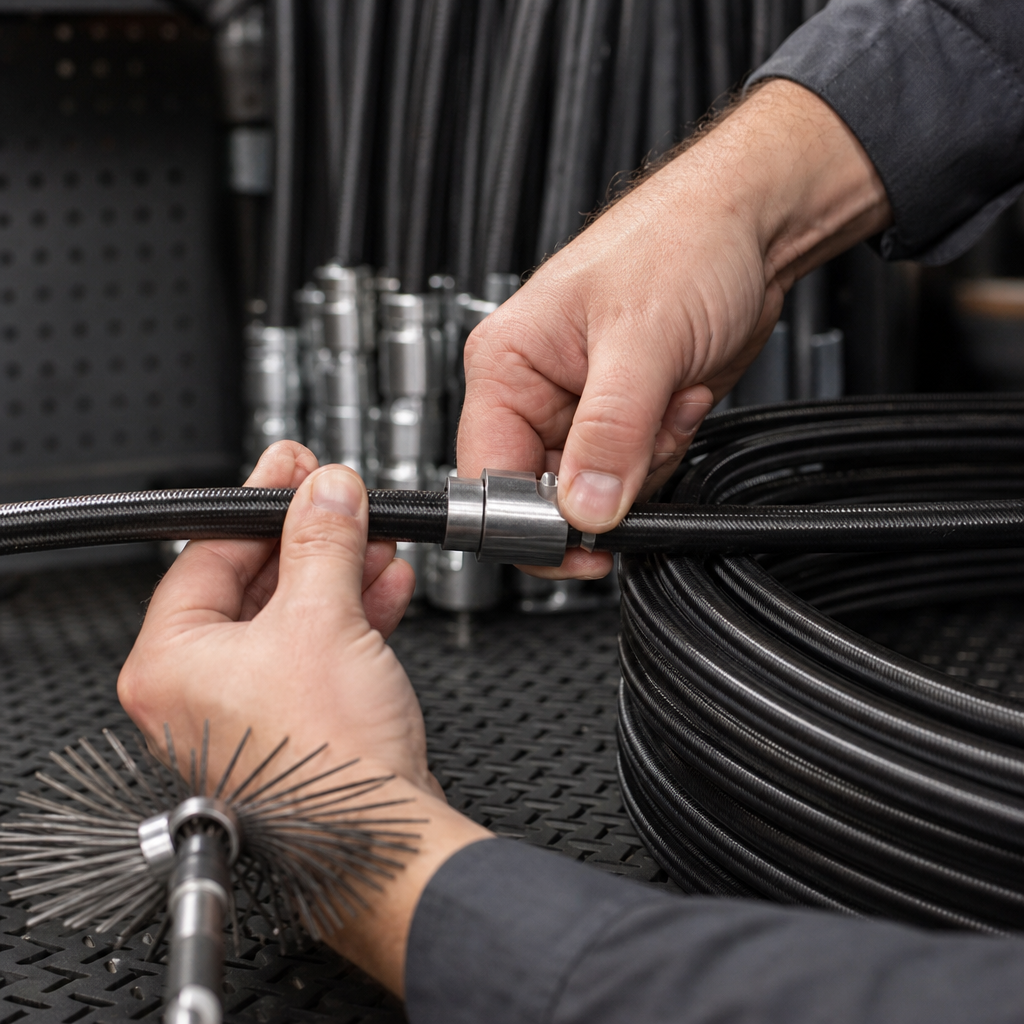
Data from the USFA indicates that confined heating fires make up the vast majority of residential heating incidents, with over 25 percent linked directly to improper maintenance and failure to clean equipment. Tools such as specialized brushes, rotary rods, and high-volume vacuums represent possible equipment used by technicians, though specific tools and procedures require confirmation from the provider.[4]
Understanding Creosote and Fire Risk Levels
The industry often references three stages of creosote buildup, though these are unverified general descriptions not established by the supplied research:
- Stage 1: Generally described as a light, flaky soot.
- Stage 2: Generally described as thicker, crunchy, tar-like flakes.
- Stage 3: Generally described as a dense, hardened glaze layer.
The research brief does not verify a specific safe Stage 3 removal procedure, and assessment by a qualified professional is recommended. In laboratory testing of chimney fires referenced by Premier Chimney Cleaning Greater Rochester, researchers measured flue-gas temperatures reaching a maximum of 1,125 degrees Celsius, highlighting the severe thermal stress a flue fire presents.
Inspecting Flue Liners, Smoke Chambers, and Critical Components
Inspection procedures, such as visual evaluations or camera inspections of venting systems, represent possible practices that require direct confirmation from the service provider.
Flue Liner Integrity
According to Premier Chimney Cleaning Greater Rochester, flue liners protect structural framing from heat transfer and combustion gases. Qualified inspectors examine clay tile or stainless steel liners for deterioration and structural defects that could compromise safety.
Smoke Chamber and Firebox Evaluation
Technicians inspect the smoke chamber and firebox area to assess creosote accumulation and evaluate the condition of firebricks and surrounding masonry.
Damper and Chimney Cap Inspection
Inspectors examine dampers to verify proper operation and inspect the chimney cap to ensure external debris or obstructions are not hindering draft.
Glazed Creosote and Sweeping Methods
Need premier chimney cleaning creosote removal?
We’re available now — call for a fast, free estimate.
The research brief does not verify a specific safe Stage 3 removal procedure. Rather than prescribing specific chemical or rotary methods, an assessment by a qualified professional is recommended to evaluate the chimney and determine the proper remediation approach.
Professional Creosote Removal Procedures
Specific service procedures – including containment measures, dust control setups, and sweeping tools – are possible practices that vary by contractor and require confirmation from the service provider. Qualified professionals assess each chimney to choose appropriate cleaning techniques.
Post-Removal Inspection and Fireplace Safety
Following cleaning, technicians may perform a follow-up assessment of flue components and damper operation. Post-cleaning inspection steps, such as secondary camera evaluations and written condition reports, are possible practices that require direct confirmation from the provider.
Fireplace and Wood Stove Brands Serviced
Professional chimney sweeps handle major residential heating appliances and venting setups, including:
- Traditional open-masonry fireplaces with clay tile flues
- Zero-clearance factory-built fireplaces (Majestic, Heatilator, Superior)
- Wood-burning stoves and fireplace inserts (Regency, Lopi, Vermont Castings, Napoleon, Quadra-Fire)
- Pellet stoves and high-efficiency venting pipes
What Does Premier Chimney Cleaning Creosote Removal Cost?
Chimney cleaning costs depend on factors such as the extent of buildup, accessibility, and flue condition. The supplied research cannot verify exact Premier pricing or Stage 3 pricing, and any quoted amounts require direct confirmation from the service provider.
To determine an accurate price, contact the provider directly to schedule an assessment and obtain a verified quote.
Frequently Asked Questions About Chimney Creosote Removal in Rochester
How much does professional creosote removal cost in Rochester?
The supplied research cannot verify exact Premier pricing or Stage 3 pricing. Costs vary based on the level of buildup, chimney height, accessibility, and the required cleaning methods. Quoted amounts require direct confirmation from the service provider.
What methods are used to remove stage 3 creosote buildup safely?
The research brief does not verify a specific safe Stage 3 removal procedure. Rather than prescribing specific chemical or mechanical methods, an assessment by a qualified professional is recommended to determine the safest and most effective approach for the specific chimney.
Does chimney cleaning service cover the entire Greater Rochester area?
Coverage varies among individual providers. Readers are advised to confirm service boundaries and travel policies directly with Premier Chimney Cleaning or local contractors when requesting service.
How often is professional creosote removal necessary for wood fireplaces?
The CPSC, USFA, and NFPA recommend having your heating systems, flues, and vents inspected at least once a year. According to the Chimney Safety Institute of America (CSIA), chimneys should be cleaned whenever creosote deposits reach approximately one-eighth of an inch in thickness.[3]
What are the warning signs of hazardous creosote buildup in a chimney?
According to Premier Chimney Cleaning Greater Rochester, signs that may indicate creosote buildup include strong odors from the fireplace, sluggish draft, and visible dark or tar-like deposits on accessible fireplace components.
How long does a full chimney sweep and creosote cleaning appointment take?
Appointment durations vary depending on the extent of creosote accumulation, chimney design, and the specific remediation methods required. Homeowners should consult the service provider directly for time estimates.
Need premier chimney cleaning creosote removal?
We’re available now — call for a fast, free estimate.
Sources
- Topical Fire Research Series: Heating Fires in Residential Buildings – apps.usfa.fema.gov (2004)
- Heating Fires in Residential Buildings (2010-2012) – apps.usfa.fema.gov (2012)
- CPSC Warns Consumers to be Cautious When Using … – cpsc.gov (2019)
- Search – coloradosprings.gov
- [PDF] HOME FIRES INVOLVING HEATING EQUIPMENT – cms2.revize.com (2009)
Related reading: Chimney Cleaning Quotes Rochester | 10% Off & Free Estimate | Same-Day Service
Related reading: Chimney Flue Cleaning Cost | Call Now-10% Off | Same-Day Service | Free Estimate
Related reading: Chimney Sweep Cost Rochester Ny | 10% Off & Free Estimate | Same-Day Service
Frequently Asked Questions
How quickly can I get an inspection and written estimate for creosote removal in Greater Rochester?
You can contact Premier Chimney Cleaning Greater Rochester directly to schedule a same-day creosote removal inspection. Their team provides a free detailed written estimate outlining the necessary flue sweeping and remediation steps for your home.
How does premier chimney cleaning creosote removal keep indoor living areas clean during service?
Specialists utilize dust containment barriers, protective coverings, and HEPA-filtered vacuum systems to prevent soot and debris from entering your living space. Homeowners can assist by clearing hearth decorations and ensuring the firebox is cold at least 24 to 36 hours prior to the visit.
Can professional creosote removal handle wood stoves, pellet inserts, and hardened glaze buildup?
Yes, Premier Chimney Cleaning Greater Rochester services all major wood stove, pellet, and factory-built fireplace brands. Technicians perform a thorough assessment to safely eliminate stubborn Stage 3 glaze and soot without compromising the integrity of your flue liner.
About the author
 |
Sarah Miller Sarah Miller is a home safety specialist and certified chimney sweep with over 8 years of experience in the residential maintenance sector. Holding a BA in Communications from SUNY Brockport, she combines her technical knowledge of creosote removal and fire prevention with clear, actionable advice for homeowners. Her writing focuses on seasonal chimney care and emergency response protocols for Greater Rochester residents. |
Chimney overdue for a cleaning or inspection?
We’re available now — call for a fast, free estimate.
Call Now - Free Estimate