
Quick Summary
In the Greater Rochester area, cold lake-effect winters rapidly cool exterior flues and accelerate hazardous creosote accumulation, making regular maintenance essential to prevent catastrophic residential chimney fires. Backed by over 20 years of local expertise, Premier Chimney Cleaning Greater Rochester eliminates all stages of combustible glaze using guaranteed mess-free HEPA containment, specialized descaling tools, and same-day emergency dispatch. Homeowners will understand the warning signs of dangerous flue buildup, typical regional service pricing, and how to schedule a professional chimney safety inspection or call for a free detailed estimate.
Creosote Removal and Fire Prevention Services in Rochester
Creosote buildup is the primary cause of residential chimney fires across New York State, yet almost all of these fires are entirely preventable. When wood burns, smoke carries vaporized oils and tar up the flue. If those gases hit cold chimney walls, they condense into combustible deposits. Left uncleaned, these layers thicken, choke airflow, and can catch fire at temperatures above 1,000 degrees Fahrenheit, threatening the surrounding framing of your home.[4]
In Monroe County and the Greater Rochester area, our winter climate makes chimneys especially vulnerable. Freezing winds off Lake Ontario, high humidity, and recurring freeze-thaw cycles chill exterior brick flues rapidly. This sudden temperature drop forces wood smoke to condense before it ever leaves the cap, speeding up the creation of hardened, glazed creosote. Professional chimney maintenance from Premier Chimney Cleaning Greater Rochester removes these dangerous deposits, clears flue restrictions, and ensures your fireplace vents cleanly all winter long.
Fast Creosote Removal and Chimney Fire Prevention in Rochester
Quick Summary: Professional chimney maintenance in Rochester clears dangerous soot, opens restricted flues, and restores safe draft. For local homeowners, standard sweep services typically range from $120 to $140, while a Level 2 camera inspection generally runs between $145 and $188. Severe Stage 3 glazed buildup, steep rooflines, or masonry repairs require specialized equipment and custom estimates based on initial findings.
Clearing soot and creosote removes fuel from the flue before intense firebox heat can ignite it. According to the New York State Division of Homeland Security and Emergency Services, creosote accumulation remains the single largest factor in residential chimney fires statewide. Regular maintenance is the most reliable way to protect your home and family.[3]
What Professional Creosote Service Includes
A full-service chimney appointment focuses on safety, flue dynamics, and keeping your living area completely clean. When technicians service a home, they:
- Evaluate the flue liner from top to bottom to check for cracked tiles, mortar decay, or animal nests.
- Identify the specific stage and thickness of creosote deposits.
- Set up industrial HEPA dust containment systems and drop cloths around the hearth to keep soot out of your home.
- Scrape and brush the flue walls, smoke chamber, smoke shelf, and firebox using manual rods or rotary whip systems.
- Confirm proper damper operation and check draft pull before concluding work.
Regional Fire Data and Risk Factors
Broad regional fire estimates from metropolitan reporting areas show that heating equipment accounts for roughly 1,430 residential structure fires each year in nearby metro territories. While Monroe County does not publish a standalone tally of annual chimney fires, the risk is real for any home burning cordwood without regular maintenance. Routine inspections catch minor drafting issues and early soot deposits before they escalate into high-temperature flue fires.[2]
Chimney Creosote Removal Rochester NY: Restoring Draft and Reducing Risks
When a chimney cannot draw air smoothly, smoke and carbon monoxide push back into your living room. Restricted flues also run hotter near the base and cooler near the top, accelerating creosote buildup along the upper flue tiles. Cleaning the system restores the natural vacuum pressure (draft) needed for a clean, efficient burn.
Recognizing the Warning Signs of Heavy Buildup
You do not need to climb onto your roof to spot early warning signs of chimney trouble. Call for a professional evaluation if you notice:
- Foul, smoky odors: A strong smell reminiscent of a campfire or wet asphalt coming from the fireplace, especially on humid summer days.
- Sluggish draft: Smoke spilling into the room when you open the glass doors or fire screen.
- Black, crusty flakes: Soot falling onto the firebox floor or gathering along the damper blade.
- Thick, tar-like glaze: Shiny, black, rock-hard buildup along the lower tiles or inside the smoke chamber.
- Reduced burn efficiency: Firewood that smolders, struggles to stay lit, or produces unusually dark chimney smoke.
The Three Stages of Creosote
Creosote changes composition depending on flue temperature, moisture levels, and airflow:
- Stage 1 (Light Soot): A dusty, flaky, high-carbon powder. It brushes away easily with standard chimney sweep wire or poly brushes.
- Stage 2 (Tarry Flakes): Sticky, porous, black chunks that look like shiny popcorn. This forms when airflow is restricted or wood is partially unseasoned. It requires stiff rotary chains or specialized scrapers.
- Stage 3 (Glazed Tar): A dense, hardened, highly combustible layer that bakes onto the flue tiles like hardened epoxy. Standard wire brushes will simply slide right over it. As specialists at Premier Chimney Cleaning Greater Rochester explain, removing Stage 3 glaze requires chemical modifiers or mechanical power descaling.
Chimney Fire Prevention Rochester: Protecting Homes from Flue Hazards
Most residential chimney fires start quietly inside the flue. When inner flue temperatures climb past the ignition point of accumulated tar, the creosote catches fire, producing a roaring sound often compared to a low-flying aircraft or a freight train. Dense, dark smoke and sparks pour from the chimney top.[5]
These fires can burn at temperatures exceeding 2,000 degrees Fahrenheit, which cracks clay tile liners, melts prefabricated metal pipes, and transfers heat directly to combustible roof rafters and wall studs. The National Fire Protection Association (NFPA) notes that failure to clean solid-fuel heating equipment is the leading human factor in home heating fires.[1]
Flue Maintenance Guidelines
To keep your wood-burning fireplace or stove operating safely throughout the Rochester winter, follow these practical maintenance guidelines:
- Burn seasoned hardwood: Use oak, maple, or ash that has dried for at least 6 to 12 months with a moisture content below 20%. Green wood wastes energy boiling off water, creating cool, moisture-laden smoke that turns into creosote.
- Avoid smoldering burns: Never starve the fire of oxygen by closing dampers too tightly. Hot, bright fires keep flue temperatures high and push gases outdoors before they condense.
- Schedule annual inspections: Have a qualified technician inspect your flue before you light the first fire of the autumn season.
Chimney Sweep Rochester NY: Professional Maintenance Practices
Professional chimney sweeping is far more than pushing a brush down a pipe. Certified technicians follow strict safety and cleanliness procedures to protect your home’s air quality while scouring the venting system clean.
Step-by-Step Sweeping Process
- Hearth Protection: Technicians lay heavy canvas drop cloths across the floor and seal the fireplace opening with specialized containment film and a continuous HEPA vacuum system to catch fine airborne particulates.
- Mechanical Sweeping: Working from either the roof or the hearth, the technician runs appropriately sized brushes or rotary cleaning tools up and down the full height of the flue, dislodging soot and scale.
- Smoke Chamber and Shelf Cleaning: Technicians reach into the corbelled brick smoke chamber above the damper to scrape away deposits that regular brushes miss. Debris resting on the smoke shelf is vacuumed out completely.
- Final Check: The firebox walls, damper housing, and grate are swept clean, leaving your living room spotless and your chimney ready for use.
Glazed Creosote Removal Rochester: Remediation Approaches
Need Creosote Removal and Fire Prevention Services in Rochester?
We’re available now — call for a fast, free estimate.
Stage 3 glazed creosote represents the highest level of fire risk in a home heating system. When unburned wood oils condense and repeatedly bake against cold exterior masonry, they turn into a glass-like shell. In Rochester, exterior brick chimneys on older homes in neighborhoods like Irondequoit, Brighton, and Greece are particularly prone to this condition due to cold wind exposure on three sides.
How Technicians Remove Hardened Glaze
Standard chimney brushes cannot remove glazed creosote. Instead, sweeps use a two-step chemical and mechanical approach:
- Chemical Treatment: Technicians apply a liquid or powder chemical catalyst (such as specialized anti-creosote compounds) directly to the glaze. Over several burns or heat treatments, the chemical breaks the molecular bond of the tar, turning it into a brittle, puffy crust.
- Mechanical Descaling: Once the glaze has dried and fractured, technicians use rotary cable tools or spinning chain whips to safely shatter the crust away from the clay tiles without cracking the masonry underneath.
Chimney Flue Cleaning Greater Rochester: Ventilation Clearance
A chimney flue must remain unobstructed to vent hot gases, moisture, and deadly carbon monoxide safely outdoors. Beyond wood fires, oil and natural gas furnaces vent through dedicated masonry flues that require periodic attention, according to Premier Chimney Cleaning Greater Rochester.
Older homes throughout Rochester, Fairport, and Webster often feature unlined brick chimneys or aging terracotta liners that shed clay flakes over time. If debris builds up at the base of the flue, it blocks the exhaust pipe, sending exhaust fumes back into the basement or living quarters. Clearing these blockages guarantees safe draft dynamics across all home heating systems.
Wood-Burning Fireplace Services in Rochester
From traditional open-hearth brick fireplaces to high-efficiency wood inserts, wood-burning systems require routine care of both the flue and the firebox structure.
Firebox and Mortar Inspection
During a fireplace cleaning, technicians check the condition of firebricks, refractory panels, and mortar joints. High heat can cause firebrick mortar to crumble over time. Repairing these small joints with high-temperature refractory cement prevents heat from radiating into wall studs behind the fireplace.
Managing Lake-Effect Moisture
Rochester’s wet, snowy winters bring significant atmospheric moisture. When combined with acidic soot inside an uncleaned flue, that moisture creates sulfuric acid, which attacks clay liners and metal damper plates. Annual sweeping and prompt moisture management from Premier Chimney Cleaning Greater Rochester protect your chimney from premature structural decay.
Gas Fireplace Cleaning and Safety in Rochester
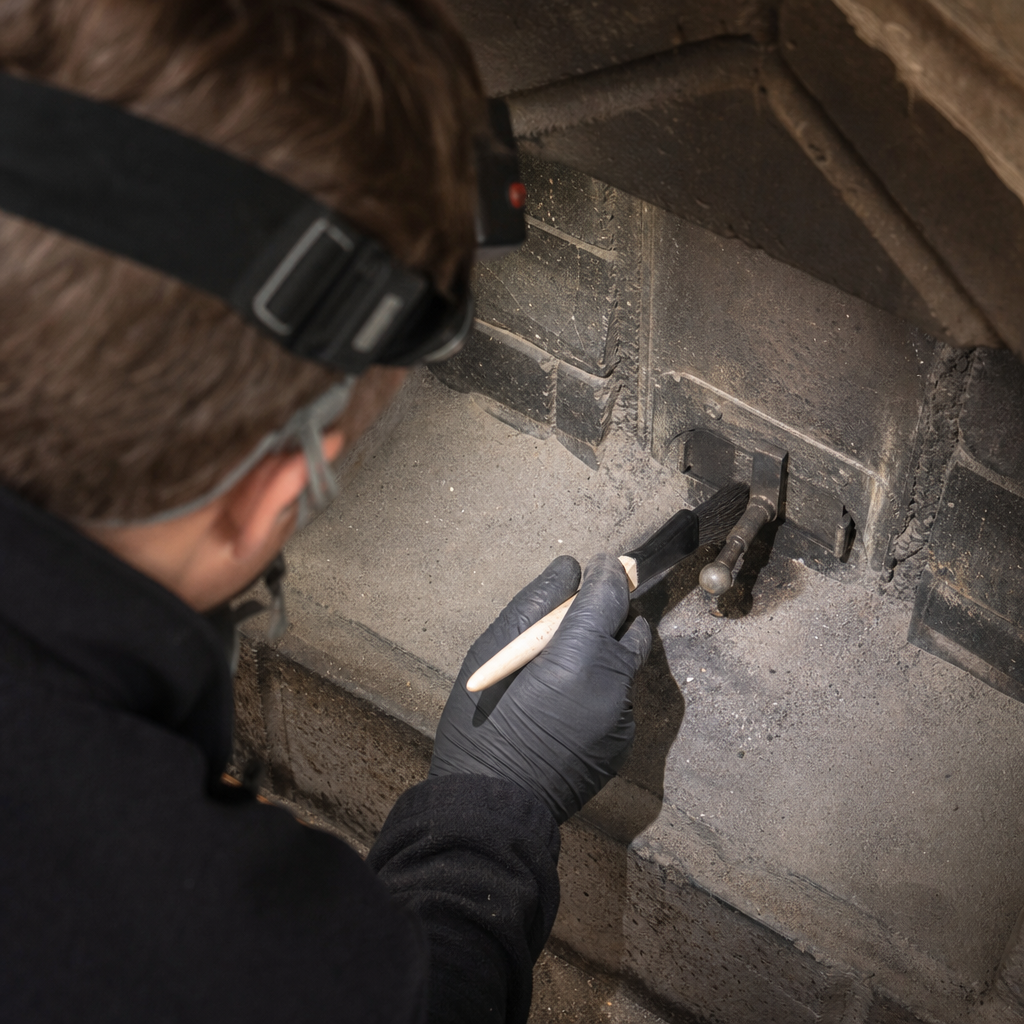
While gas logs and direct-vent gas fireplaces do not generate wood creosote, they still require regular seasonal maintenance. Spiders, pet hair, and household dust frequently clog burner ports and pilot assemblies, leading to incomplete combustion, sooty glass, and elevated carbon monoxide output.
Gas maintenance appointments include cleaning the burner tubes, checking the thermocouple and thermopile, cleaning the ceramic glass, refreshing glowing ember fibers, and testing for gas leaks or venting blockages.
Chimney Inspections in Rochester
Fire safety organizations, including the NFPA, recommend an annual chimney inspection for all fuel-burning appliances. Professional inspections follow standardized industry levels to match your home’s situation:
The Three Levels of Chimney Inspection
- Level 1 Inspection: Recommended for continuous, unchanged heating systems. The technician visually examines all readily accessible portions of the chimney exterior, interior, and appliance connections during a standard sweep.
- Level 2 Inspection: Recommended during property purchases, after chimney fires, or when converting heating appliances (such as adding a wood insert to an open hearth). This includes full roof access and running a specialized video camera through the entire length of the flue to spot hidden cracks, missing mortar, or internal obstructions. In the Rochester area, Level 2 camera inspections generally cost between $145 and $188.
- Level 3 Inspection: Reserved for cases with suspected structural hazards hidden behind walls or ceilings, potentially requiring partial removal of building materials to inspect framing.
Chimney Repair and Masonry Restoration in Rochester
Rochester’s climate is notoriously hard on exterior brickwork. Winter brings dozens of freeze-thaw cycles: snow melts during the day, soaks into porous brick and mortar, and freezes solid overnight. As water expands into ice, it cracks mortar joints and causes brick faces to pop off (a process known as spalling).
Common Masonry Services
- Tuckpointing: Grinding out crumbling, washed-out mortar and packing the joints with fresh, color-matched mortar to restore structural strength and weather resistance.
- Crown Repair and Rebuilding: The concrete slab at the top of the chimney (the crown) prevents rain and snow from pouring between the bricks and the flue. Technicians seal hairline cracks with elastomeric coatings or pour a new, steel-reinforced concrete crown when damage is severe.
- Flashing Repair: Resealing or replacing the metal flashing where the chimney intersects the roofline to stop attic leaks and water damage.
Animal and Nest Removal for Rochester Chimneys
Need Creosote Removal and Fire Prevention Services in Rochester?
We’re available now — call for a fast, free estimate.
Uncapped flues offer warm, dark shelter for local wildlife. In Western New York, chimney swifts, squirrels, raccoons, and birds frequently build nests inside flues during the spring and summer. These nests completely plug the chimney with highly flammable twigs, leaves, and feathers.
Technicians remove animal blockages, sanitize the smoke shelf, and install heavy-duty stainless steel chimney caps with wire mesh to keep animals, rain, and debris out for good.
Chimney Parts and Venting Components
A safe chimney system relies on multiple components working together:
- Chimney Caps and Spark Arrestors: Keep out animals, block driving rain, and catch escaping embers before they land on shingles.
- Flue Liners (Clay and Stainless Steel): Contain heat and combustion gases, directing them safely out of the home while shielding surrounding framing.
- Dampers (Throat and Top-Sealing): Regulate draft during burns and seal tightly when the fireplace is not in use to stop heated room air from escaping up the chimney.
- Smoke Chambers: The inverted funnel above the firebox that guides smoke into the flue. Parging the smoke chamber smooth improves draft speed and prevents soot accumulation on jagged brick corners.
Fireplace Brands and Appliance Servicing
Professional sweeps service factory-built fireplaces, freestanding wood stoves, and fireplace inserts from top manufacturers, including Regency, Heat & Glo, Napoleon, Vermont Castings, Jotul, and Quadra-Fire. Servicing includes replacing worn door gaskets, inspecting secondary burn tubes, cleaning glass doors, and checking baffle boards for heat damage.
What Does Creosote Removal and Fire Prevention Cost in Rochester?
Chimney service pricing depends on chimney height, roof pitch, the stage of creosote present, and overall structural condition. Below are typical price ranges for local homeowners across Monroe County:
| Service Type | Estimated Price | Condition / Scope | What Is Included |
|---|---|---|---|
| Standard Sweep | $120 – $140 | Stage 1 soot / light maintenance | Full flue brush, smoke chamber clean, hearth vacuuming |
| Level 2 Camera Inspection | $145 – $188 | Home sale, change of fuel, post-storm | Internal video scan of flue tiles, attic check, full written report |
| Stage 3 Glaze Removal | Custom quote | Hardened, shiny tar glaze | Chemical modifier application, rotary mechanical descaling |
| Crown Repair / Tuckpointing | Varies by damage | Cracked crown, loose mortar | Elastomeric sealant, masonry repointing, water-repellent barrier |
Greater Rochester Service Areas
Chimney sweep and fire prevention services cover all of Monroe County and neighboring communities, including:
- Rochester (North Winton Village, Park Ave, Charlotte, 19th Ward)
- Brighton and Pittsford
- Irondequoit and Webster
- Greece, Hilton, and Hamlin
- Gates, North Gates, and Chili
- Fairport and East Rochester
- Brockport, Spencerport, and Canandaigua
Frequently Asked Questions About Creosote Removal in Rochester
How often should creosote be removed from a chimney?
Fire safety authorities recommend having your chimney inspected once a year and swept whenever creosote deposits reach 1/8-inch thickness. If you burn wood daily throughout the winter, you may need a mid-season sweep to keep buildup under control.
What are the signs of dangerous creosote buildup?
Look for a strong smoky odor from the hearth, smoke rolling into the room when the damper is open, black flakes falling onto the firebox floor, or a shiny, tar-like coating visible on the flue walls above the firebox.
How much does professional creosote removal cost in Rochester, NY?
A standard chimney sweep in the Rochester area costs between $120 and $140. A Level 2 internal camera inspection ranges from $145 to $188. Severe Stage 3 glazed creosote or extensive masonry repairs require custom estimates based on the required chemical treatments and labor.
Can creosote sweeping logs replace professional chimney cleaning?
No. As technicians at Premier Chimney Cleaning Greater Rochester point out, chemical sweeping logs contain minerals that help loosen the surface layer of soot, but they cannot remove the dislodged debris, clear animal nests, inspect for cracked flue tiles, or eliminate hardened Stage 3 glaze. They are a maintenance supplement, not a replacement for a hands-on professional cleaning.
How does creosote cause chimney fires?
Creosote is condensed, unburned fuel. When you build a hot fire, the heat rising into the flue can reach the ignition temperature of the tar buildup. Once ignited, creosote burns intensely and can quickly damage the chimney structure and spread into the roof rafters.
Need Creosote Removal and Fire Prevention Services in Rochester?
We’re available now — call for a fast, free estimate.
Sources
- Statistics – USFA.FEMA.gov – usfa.fema.gov (2024)
- Topical Fire Research Series: Heating Fires in Residential Buildings – apps.usfa.fema.gov (2004)
- Heating Fires in Residential Buildings (2017-2019) – usfa.fema.gov (2019)
- Fire loss in the United States | NFPA Research – nfpa.org (2024)
- Home Structure Fires | NFPA Research – nfpa.org (2023)
Related reading: Chimney Sweep Cost Near Me – Call Now-10% Off – Same-Day Service – Free Estimate
Related reading: Chimney Fire Prevention | Call Now-10% Off | Same-Day Service | Free Estimate
Related reading: How Often to Clean Chimney – 10% Off & Free Estimate – Same-Day Service
Frequently Asked Questions
What should I do if I suspect chimney fire damage or a sudden draft blockage?
If you hear a roaring sound or notice smoke backing into your living room, extinguish the fire if safe, evacuate, and call emergency services. After the chimney cools, contact Premier Chimney Cleaning Greater Rochester for same-day emergency dispatch to perform a comprehensive camera inspection and remove hazardous blockages before relighting.
How does professional creosote removal keep soot from dirtying my living room?
Premier Chimney Cleaning Greater Rochester uses industrial HEPA filtration vacuums, sealed hearth barriers, and heavy drop cloths to capture all airborne soot and dislodged glaze at the source. Backed by over 20 years of local experience, these protocols provide a guaranteed mess-free cleaning process for every home.
How do I get an accurate cost estimate for severe Stage 3 glazed creosote removal?
Because Stage 3 glazed creosote requires specialized chemical modifiers and rotary mechanical descaling, pricing depends on flue dimensions and buildup severity. Homeowners across Monroe County can schedule a flue evaluation with Premier Chimney Cleaning Greater Rochester to receive a free, detailed written estimate outlining the exact remediation steps required.
About the author
 |
Sarah Miller Sarah Miller is a home safety specialist and certified chimney sweep with over 8 years of experience in the residential maintenance sector. Holding a BA in Communications from SUNY Brockport, she combines her technical knowledge of creosote removal and fire prevention with clear, actionable advice for homeowners. Her writing focuses on seasonal chimney care and emergency response protocols for Greater Rochester residents. |
Chimney overdue for a cleaning or inspection?
We’re available now — call for a fast, free estimate.
Call Now - Free Estimate