
Quick Summary
Cold Rochester winters accelerate dangerous creosote condensation inside wood-burning flues, creating severe chimney fire hazards and drafting issues across all three stages of buildup. Premier Chimney Cleaning Greater Rochester eliminates everything from flaky soot to hardened Stage 3 glaze using specialized mechanical tools and HEPA containment systems for a completely mess-free service. Homeowners can evaluate service costs and warning signs to protect their property, then call Premier Chimney Cleaning Greater Rochester for a free written estimate or same-day professional creosote removal.
Creosote Removal Rochester NY – Chimney Cleaning Services
If you burn wood to heat your home during the winter, your chimney flue operates under demanding conditions. Over a burning season, soot reacts with moisture and heat, hardening into layers of creosote that adhere to clay and steel flue liners. New York State fire safety guidance identifies dirty, blocked, or damaged chimneys as major hazards, confirming that creosote accumulation is a leading cause of chimney fires.[2]
Professional chimney sweeps, such as the team at Premier Chimney Cleaning Greater Rochester, can address everything from light, powdery soot to hardened glazed deposits. Professional creosote removal helps protect your home and keep your fireplace drafting safely throughout the heating season.[3]
Professional Creosote Removal in Rochester, NY
Cold winter conditions can significantly affect chimney performance. When outside temperatures drop, exterior chimneys lose heat quickly. As warm woodsmoke rises into a cold flue, volatile gases can condense along chimney walls, turning soot into heavier deposits before the smoke exits the chimney. New York State fire safety guidance emphasizes the importance of regular maintenance to prevent hazardous chimney buildup.
A thorough chimney cleaning clears combustible deposits, soot, and glaze from the flue, smoke chamber, and firebox to help restore proper draft airflow and reduce the risk of flue fires.[4]
The 3 Stages of Creosote: Educational Overview
Creosote is commonly described in three general stages, progressing from light dust to a dense, glassy coating. Understanding these general stages provides helpful educational context for chimney safety and maintenance.
| Stage | Physical Appearance | Draft Impact | General Removal Approach | Fire Hazard Level |
|---|---|---|---|---|
| Stage 1 | Dry, powdery, velvety soot | Minimal restriction | Standard chimney sweeping brushes | Low |
| Stage 2 | Sticky, tar-like black flakes or crisp chips | Moderate constriction | Specialized sweeping equipment | Moderate to High |
| Stage 3 | Dense, shiny, hardened glaze | Severe restriction | Professional removal methods | Extreme |
Stage 1 and Stage 2 Creosote: From Fine Soot to Tarry Flakes
Stage 1 creosote is generally described as a dry, velvety soot that forms when wood burns with adequate airflow. If combustion temperatures drop or airflow is restricted, unburned gases can condense into Stage 2 creosote, which typically appears as shiny black flakes or hardened tar chips inside the flue. According to research from the National Fire Protection Association (NFPA), failure to clean solid-fueled heating equipment (primarily chimneys) accounts for roughly a quarter of all home heating fires.[1]
Stage 3 Glazed Creosote: Characteristics and Hazards
When unburned wood gases repeatedly bake against cold chimney walls, they can harden into Stage 3 glazed creosote, often resembling thick, dark glaze or tar along the flue lining. Standard sweeping brushes are generally ineffective against hardened glaze. Because dense creosote is concentrated fuel, significant buildup presents a severe fire hazard that requires professional evaluation and specialized removal techniques from specialists like Premier Chimney Cleaning Greater Rochester.
Critical Chimney Components Affected by Creosote
Need creosote removal rochester ny?
We’re available now — call for a fast, free estimate.
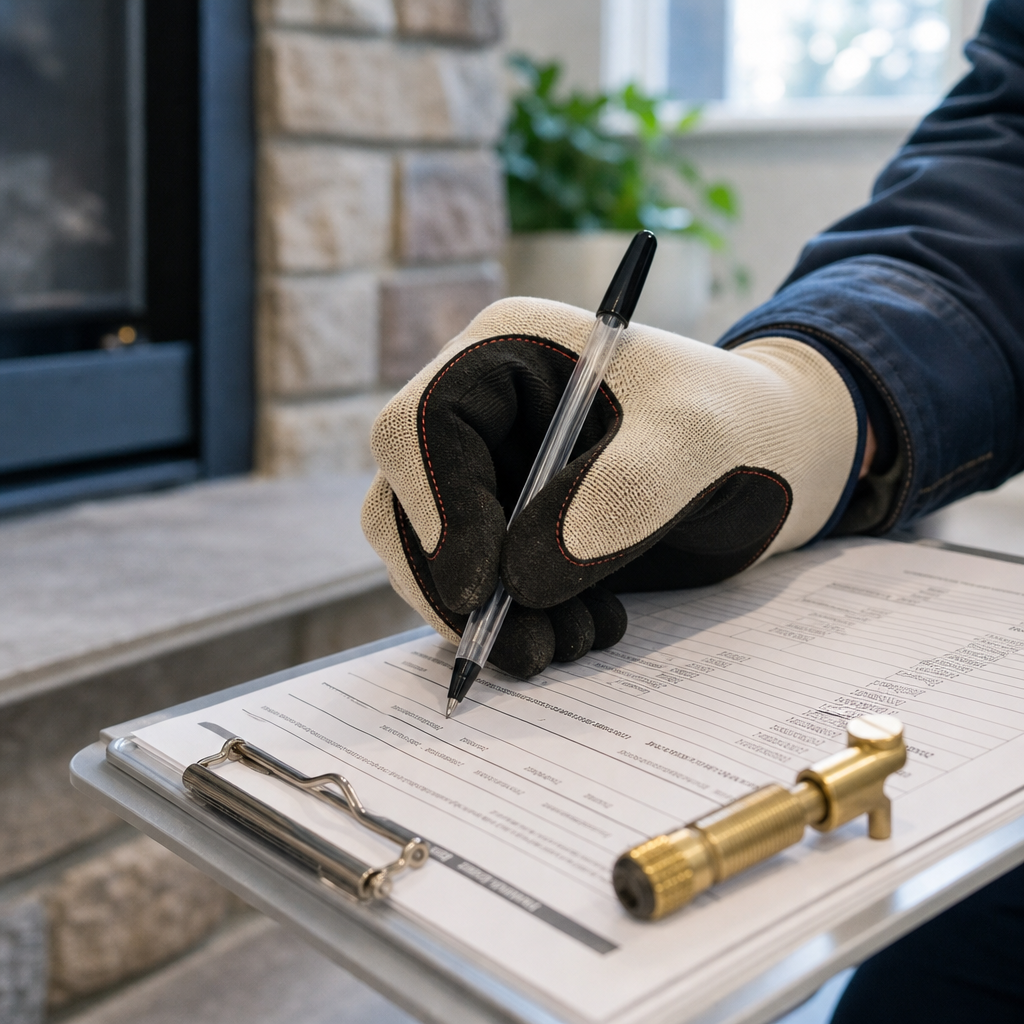
Creosote does not stay confined to the middle of your flue. It gathers in several distinct parts of your fireplace system, creating performance issues and hidden damage.
- Clay and Stainless Steel Flue Liners: Creosote contains acidic sulfur and wood compounds. When mixed with ambient moisture, these acids can degrade mortar joints between clay tiles and corrode metal liners over time.
- The Smoke Chamber: Right above the throat damper, the smoke chamber narrows like an inverted funnel. In chimneys with stepped brickwork, this area can trap smoke turbulence, leading to heavy tar buildup directly over the firebox.
- Throat and Top-Sealing Dampers: Sticky deposits can coat damper plates, preventing them from sealing properly or opening completely during a fire, which can cause smoke to enter living areas.
- Firebox Masonry: The back wall of the firebox absorbs intense heat. When creosote coats damaged firebrick, it increases thermal stress on surrounding structural materials.
Estimated Creosote Removal Costs
As noted by Premier Chimney Cleaning Greater Rochester, chimney cleaning and creosote removal pricing generally depends on chimney height, system condition, roof accessibility, and the stage of creosote present. The following qualified ranges reflect typical industry estimates:
| Service Type | Estimated Cost Range | What the Service Typically Includes |
|---|---|---|
| Standard Chimney Sweep (Stage 1 Buildup) | $175 – $300 | Full flue brushing, firebox vacuuming, and visual inspection |
| Moderate Creosote Removal (Stage 2 Buildup) | $300 – $550 | Specialized mechanical sweeping, chamber cleaning, and HEPA vacuuming |
| Glazed Creosote Removal (Stage 3 Glaze) | $600 – $1,200+ | Specialized chemical or mechanical treatment and follow-up evaluation |
| Level 2 Camera Video Inspection | $200 – $400 | Internal video evaluation of flue tiles to check for cracks and gaps |
Main Factors That Determine Service Cost
- Buildup Severity: Routine soot sweeping requires less labor, whereas dense glazed creosote often requires advanced treatment methods and multiple steps.
- Roof Access and Steepness: Servicing a single-story home with a low-pitch roof generally involves simpler access than working on a multi-story home with a steep roof line.
- Number of Flues: If a chimney vents multiple appliances, such as an open fireplace and a heating appliance, each flue requires separate inspection and maintenance.
Why Choose Professional Creosote Removal Services
Hiring a trained professional helps ensure that chimney deposits are removed safely without compromising indoor air quality. Professional chimney sweeps use specialized equipment designed to protect both the chimney system and the home.
- Dust Containment: High-powered HEPA vacuums capture soot particles to keep dust from settling on household furnishings.
- Specialized Equipment: Professional sweeps, including Premier Chimney Cleaning Greater Rochester, utilize equipment such as flexible rotary rods and specialized sweeping heads to safely dislodge stubborn deposits.
- Comprehensive Safety Evaluations: A professional cleaning typically includes checking accessible masonry, flashing, and the chimney crown to assess overall system condition.
Frequently Asked Questions About Creosote Removal
How much does professional creosote removal typically cost?
General industry estimates for basic chimney sweeping typically range from $175 to $300 for light soot. For heavier Stage 2 deposits or Stage 3 glazed creosote, estimated costs generally range from $450 to $1,200 or more, depending on chimney condition and the required removal methods.
What is the difference between stage 1, stage 2, and stage 3 creosote?
In general educational terms: Stage 1 is light, powdery soot; Stage 2 forms thicker, tar-like flakes; and Stage 3 is a dense, hardened glaze baked onto the flue walls that requires specialized professional removal.
How often should chimney creosote be cleaned?
Fire safety guidance, including recommendations from New York State fire safety materials, advises having chimneys inspected annually prior to the heating season. Depending on frequency of use and the rate of deposit accumulation, regular maintenance or additional cleanings may be recommended by a qualified sweep such as Premier Chimney Cleaning Greater Rochester.
Can glazed creosote be removed without professional chimney equipment?
No. Standard consumer brushes and DIY sweeping logs are generally ineffective against hardened Stage 3 glaze. Attempting to chip it away with manual tools can damage clay flue tiles and create additional safety risks.
What are the warning signs of hazardous creosote buildup in a fireplace?
Common warning signs include sticky tar visible on the damper plate, dark crust forming in the firebox, strong smoky odors during warm weather, and poor draft performance that allows smoke into the home.
How long does a professional creosote cleaning appointment take?
A standard routine sweep and safety evaluation generally takes between 45 and 90 minutes. Removing heavy glazed creosote may take longer depending on flue conditions and whether multi-step treatments are required.
Need creosote removal rochester ny?
We’re available now — call for a fast, free estimate.
Sources
- Home Cooking Fires – docs.house.gov (2018)
- Chimney Fire Safety – NY.gov – dhses.ny.gov
- Topical Fire Research Series: Heating Fires in Residential Buildings – apps.usfa.fema.gov
- NFPA shares information on U.S. home heating fires, which … – fcam.org (2023)
Related reading: Chimney Sweep Cost Near Me – Call Now-10% Off – Same-Day Service – Free Estimate
Related reading: Chimney Fire Prevention | Call Now-10% Off | Same-Day Service | Free Estimate
Related reading: How Often to Clean Chimney – 10% Off & Free Estimate – Same-Day Service
Frequently Asked Questions
How does Premier Chimney Cleaning Greater Rochester prevent soot and dust from spreading inside my home during creosote removal?
The team utilizes protective containment barriers alongside industrial HEPA-filtered vacuum systems to maintain negative air pressure throughout the entire cleaning process. This specialized setup ensures all loosened soot particles and brittle flakes are completely captured, guaranteeing a 100% mess-free service for your living space.
What specialized techniques are used to eliminate hardened Stage 3 glazed creosote without cracking flue liners?
Premier Chimney Cleaning Greater Rochester uses targeted chemical loosening treatments paired with specialized rotary whip equipment to safely break the glaze's bond without damaging clay or stainless steel liners. Backed by over 20 years of local experience, these advanced methods restore optimal draft airflow and eliminate severe fire hazards.
Can I schedule same-day creosote removal service in Rochester and Monroe County?
Yes, Premier Chimney Cleaning Greater Rochester offers fast same-day creosote removal across Monroe County for homeowners dealing with severe blockages or sudden drafting problems. You can call directly to book an immediate appointment or request a free detailed written estimate before lighting your next fire.
About the author
 |
Sarah Miller Sarah Miller is a home safety specialist and certified chimney sweep with over 8 years of experience in the residential maintenance sector. Holding a BA in Communications from SUNY Brockport, she combines her technical knowledge of creosote removal and fire prevention with clear, actionable advice for homeowners. Her writing focuses on seasonal chimney care and emergency response protocols for Greater Rochester residents. |
Chimney overdue for a cleaning or inspection?
We’re available now — call for a fast, free estimate.
Call Now - Free Estimate